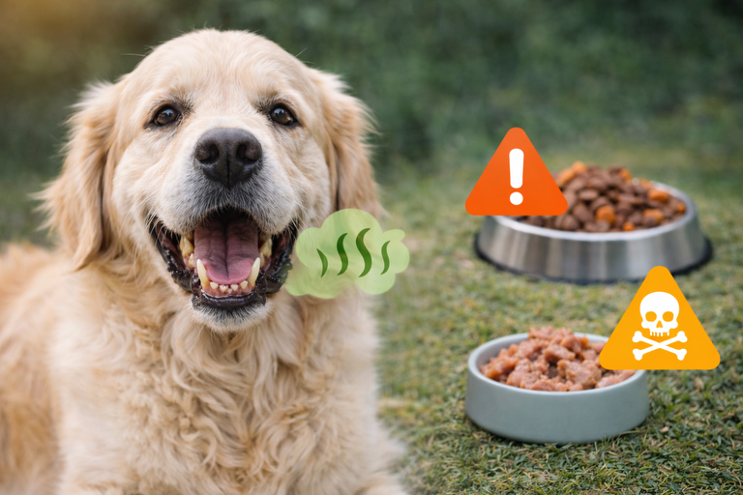
Bad breath in dogs, also known as halitosis, is a common issue that many caregivers tend to normalize. However, in most cases it is a sign that something is not right with the dog’s oral or overall health.
The most common cause of bad breath is the buildup of bacterial plaque and tartar on the teeth. These bacteria produce foul-smelling compounds and, if not controlled, can lead to gingivitis, infections, or even tooth loss. Food debris trapped in the mouth can also contribute, especially if the dog consumes very soft foods.
Other common causes include digestive issues, a low-quality diet, oral infections, inflamed gums, or, in less frequent cases, internal diseases such as kidney or liver problems. For this reason, if bad breath is very strong or persistent, it is advisable to consult a veterinarian.
As for solutions, prevention is key. Maintaining good oral hygiene helps significantly reduce unpleasant odors. Regular tooth brushing is an effective option, although not always easy. For this reason, many caregivers turn to natural alternatives such as prolonged chewing.
Hard, natural snacks promote mechanical cleaning of the teeth, help reduce tartar buildup, and stimulate saliva production, contributing to a healthier mouth. Additionally, chewing has a calming effect and improves the dog’s overall well-being.