When a dog wags his tail what is he saying? Well, the answer may vary.
Like human infants, dogs must learn their language. Puppies aren’t born knowing what a wagging tail means any more than newborn babies understand words. But when puppies are about a month old, they recognize the need to communicate with their mother and siblings, so they pick up the lingo.
First, it’s important to understand that the neutral or natural position of a dog’s tail varies by breed. Most dogs have tails that hang down near their heels when they are relaxed. Here are some examples of types of tail wags:
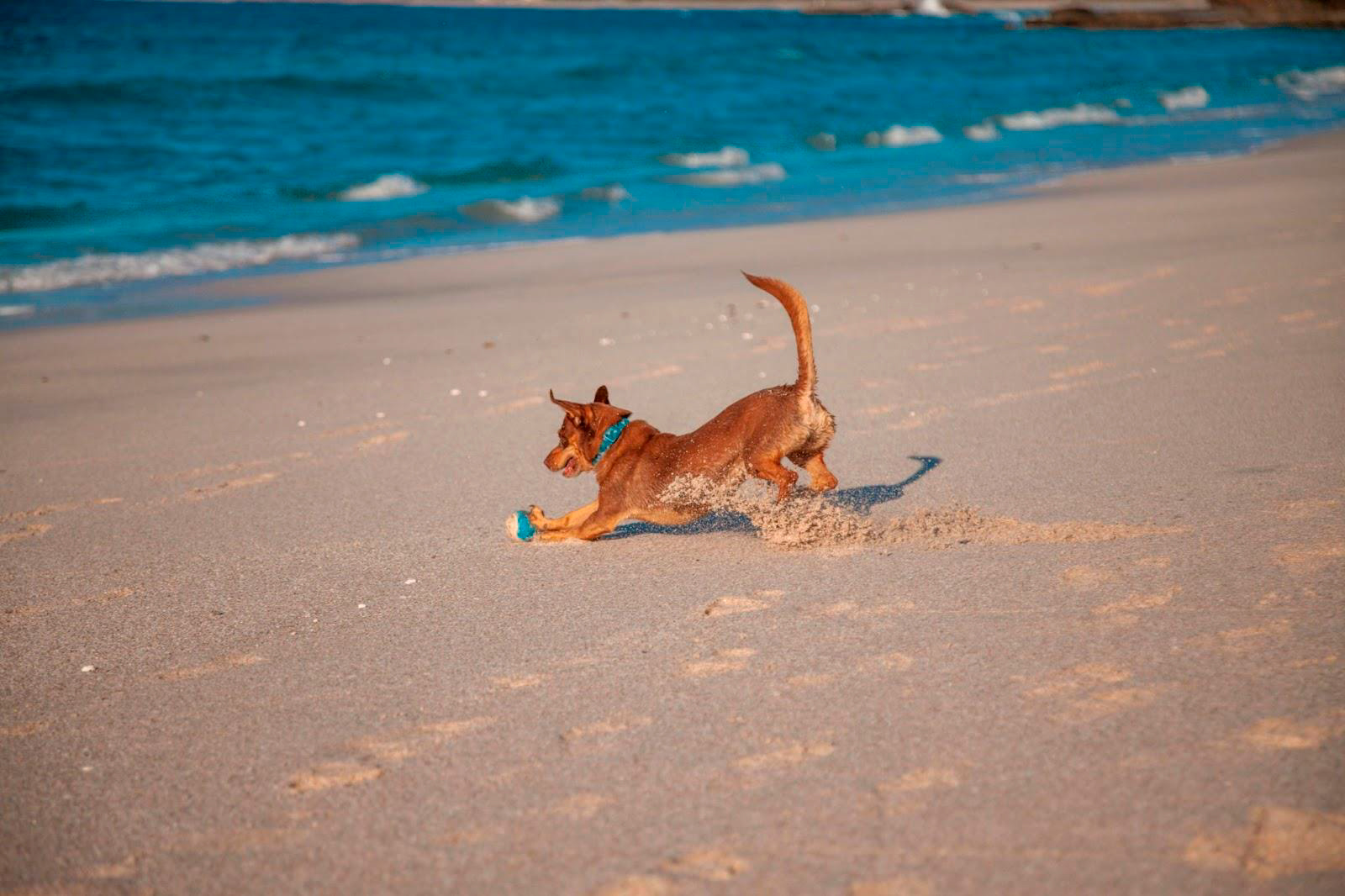
- Slightly raised tail with a big, wide wag: “I’m super happy! I want to play, get tummy rubs, and follow you around. You’re my favorite person!”
- Slightly raised tail with a fast wag: “I’m soooo excited to see you! Can we play ball? Go for a walk? What can wedoooo?” (Cue spins or zoomies.)
- Tail hanging down, relaxed with little wags: “I’m a little unsure and nervous about this situation. Some reassurance would be good. Thanks.”
- Wagging tail, mostly to the left: “I’m feeling anxious or intimidated. I’m going to stay over here for a bit.”
- Wagging tail, mostly to the right: “Hey! You’re my friend. Come here and let’s play.”
- Straight-out tail, horizontal and loose: “I’m curious, but still exploring how I feel. Get ready for some sniffing.”
- Tail tucked between back legs, not moving: “I’m really concerned—some may even call it scared. I’ve got definite bad feelings about someone or something.”
- Straight-up tail: “I’m on high alert! I’m excited but unsure how I feel. I’m analyzing the situation, so give me space.”
- Stiff, tall tail, possibly arched over back with quick wags: “You need to back off. Now. I’m not happy and ready to defend myself. You’ve been warned.”
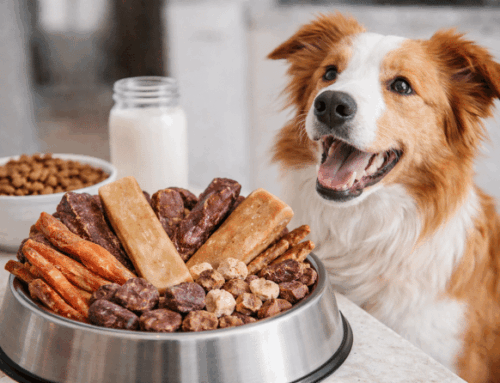
Furthermore, to ensure that your dog’s tail is always happy and calm, trust Churpi bars made with yak milk and 100% natural ingredients!