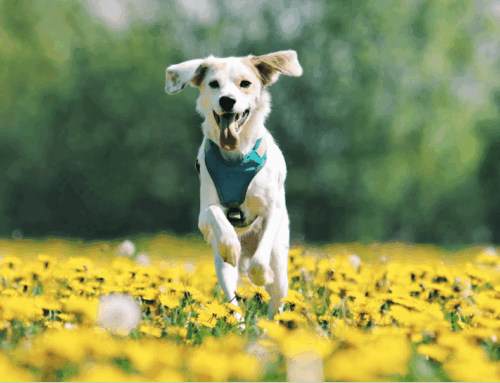
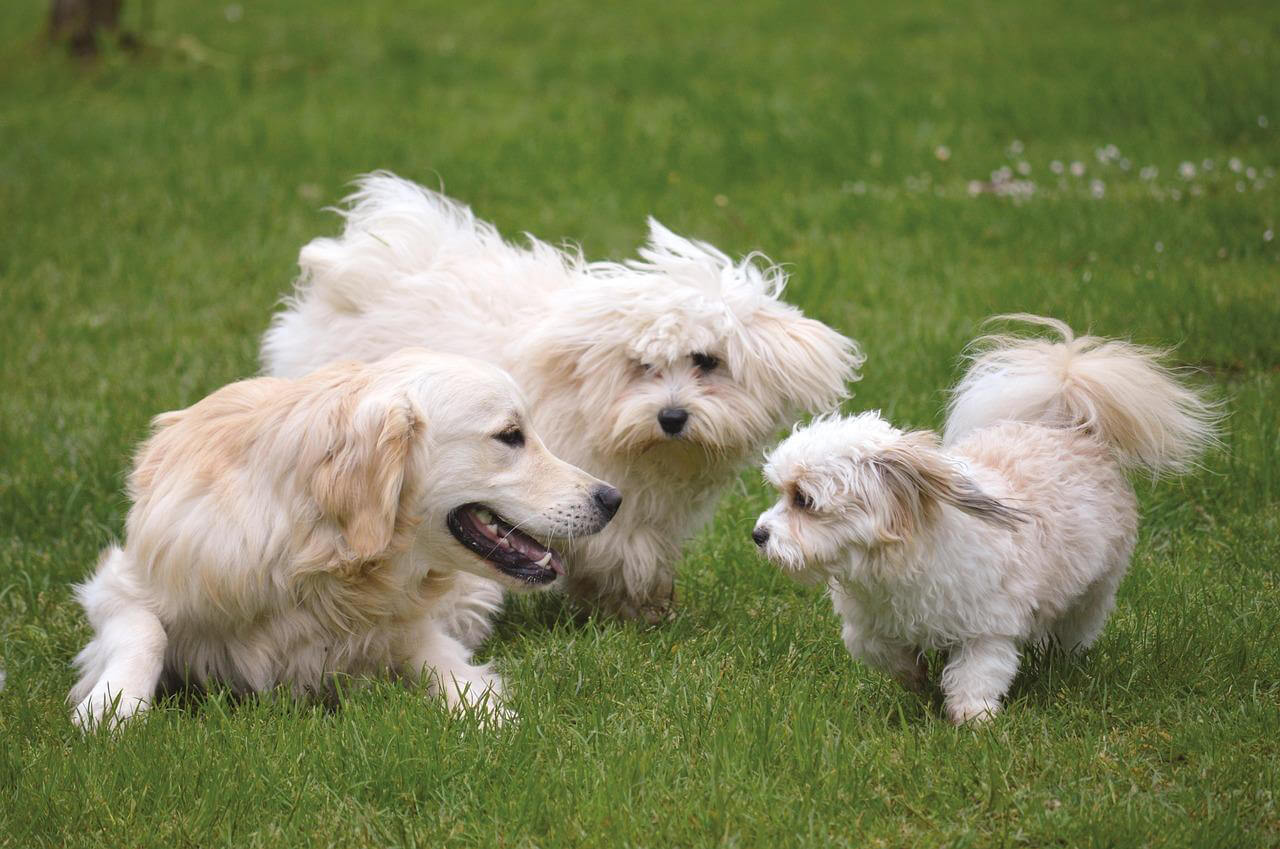
Play in canine socialization is much more than simple fun. In fact, it plays a vital role in a dog’s emotional, mental, and social development. Moreover, play helps release energy, strengthen bonds, and prevent behavioural issues.
1. Play teaches dogs how to interact
From an early age, dogs learn social skills through play. For example, they learn bite control and how to read other dogs’ body language.
As a result, dogs that play regularly tend to interact more confidently with others.
On the other hand, dogs that lack play opportunities may become fearful or reactive.
2. Play builds confidence and reduces stress
In addition, play naturally reduces stress. While playing, dogs release endorphins, which improve their mood.
Furthermore, playing with their owner strengthens trust and improves learning.
3. Types of play for healthy socialization
Not all play is the same. Therefore, it is important to choose suitable activities:
-
Dog-to-dog play: encourages communication and balance.
-
Human-led play: such as fetch or tug games.
-
Mental games: improve focus and confidence.
4. Basic rules for safe play
Finally, always supervise play sessions. Also, respect your dog’s limits and stop if signs of discomfort appear.
In short, play in canine socialization is essential for raising confident, well-balanced, and happy dogs.