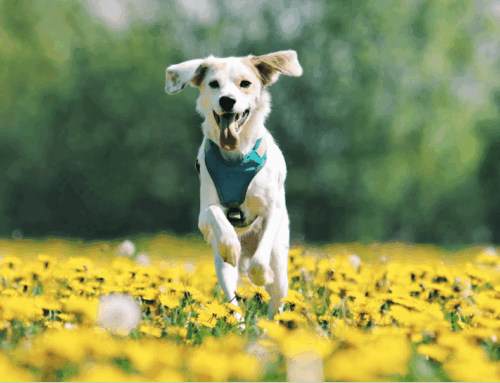
Play is much more than fun for dogs, it’s a fundamental tool for their emotional, mental, and social development. Playing not only helps release energy, but it also strengthens bonds, teaches skills, and prevents behavioural problems. Today we’ll explain why play is key in canine socialization and how you can encourage it positively.
1. Play teaches dogs how to relate
From puppyhood, dogs learn to interact with their environment through play. These activities teach them to control their bite strength and read other dogs’ body language. These lessons form the foundation for healthy interactions with dogs and humans in adulthood.
A dog that doesn’t play or lacks opportunities to interact may become insecure, fearful, or even reactive to unfamiliar stimuli.
2. Builds confidence and reduces stress
Playing helps your dog build confidence and release tension. When a dog plays, it releases endorphins, which help reduce stress and anxiety.
Moreover, sharing playtime strengthens the bond with their human guardian, increasing obedience and willingness to learn.
3. Games for healthy socialization
Not all games are the same. It’s important to offer variety and adapt to the dog’s age and personality. Some examples:
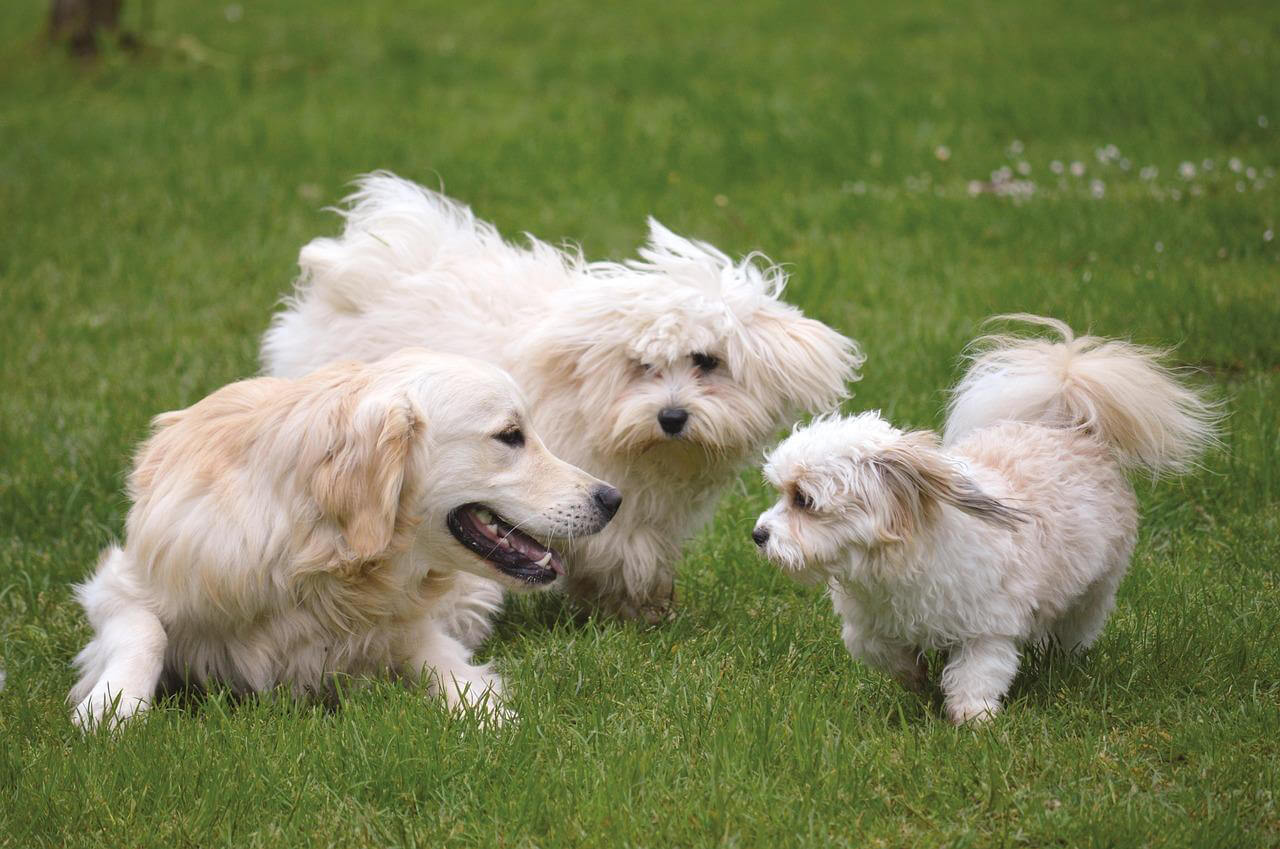
- Dog-to-dog play: Arrange meetups with well-balanced dogs of compatible size. Watch for positive, non-intimidating interactions.
- Games with humans: Fetch, tug-of-war, or hiding treats. These games strengthen the relationship and teach impulse control.
- Mental games: Puzzle toys or scent games stimulate the mind and boost self-confidence.
4. Basic rules for safe play
Always supervise interactions, especially if your dog is not used to others. Teach basic commands like “drop it” or “come here” to maintain control. Respect boundaries: if a dog shows signs of discomfort or fatigue, it’s time to stop.
In summary, play is an essential part of a dog’s life. By following some basic safety rules, your dog can play, socialize, and relieve stress in a healthy way.