Dogs are known as “man’s best friend,” but have you ever wondered how this special connection between humans and canines began? The relationship between both species is not only deep but also ancient, complex, and has evolved over thousands of years. This millennia-old friendship has shaped modern dog behaviour and also influenced human social evolution.
A Shared Origin in Prehistory
It is estimated that the domestication of the wolf, the ancestor of the dog, began over 15,000 years ago during the Paleolithic era. The first encounters between humans and wild wolves were based on mutual benefit: wolves approached human camps in search of food scraps, and humans benefited from their presence as a warning and protection system.
Over time, the less aggressive and more social wolves began living alongside humans, eventually leading to the first domesticated dogs.
A Bond Beyond Utility
While dogs may have originally been useful as guardians or hunters, the relationship evolved into an emotional bond. Dogs became part of the human family. Cave paintings and ceremonial burials, where dog remains have been found alongside humans, show the respect and affection they received thousands of years ago.
Evolution and Mutual Understanding
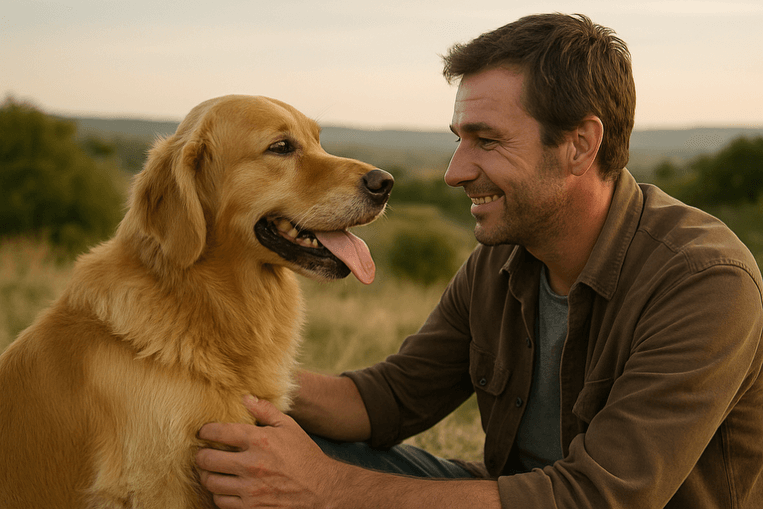
One of the most fascinating aspects of this relationship is that humans and dogs have co-evolved. That is, their brains and behaviours have developed in sync. Current studies show that dogs can understand human gestures, like pointing. Furthermore, when a human and a dog look into each other’s eyes, both release oxytocin, the hormone of bonding, just as it happens between a mother and child.
A Connection That Keeps Growing
Today, dogs are more than just pets: they are therapy companions, guides, and full-fledged members of many families. This relationship, which began out of necessity, has evolved into one of the purest forms of interspecies friendship.